Buzzy AI : Is Buzzy now a Good AI Video Generator?
You no longer need professional editing software, a production team, or hours of manual work to turn an idea into a short video. Platforms like Buzzy are trying to make the process much faster: start with a prompt or creative idea, let AI handle much of the generation process, and produce video content that can be shared online.
Buzzy, available at Buzzy.now, is part of this new generation of AI video tools,it focuses on AI-powered video creation. What can Buzzy actually do? Who is it best suited for? And how does it fit into a market already filled with AI video platforms?
Let’s take a closer look.
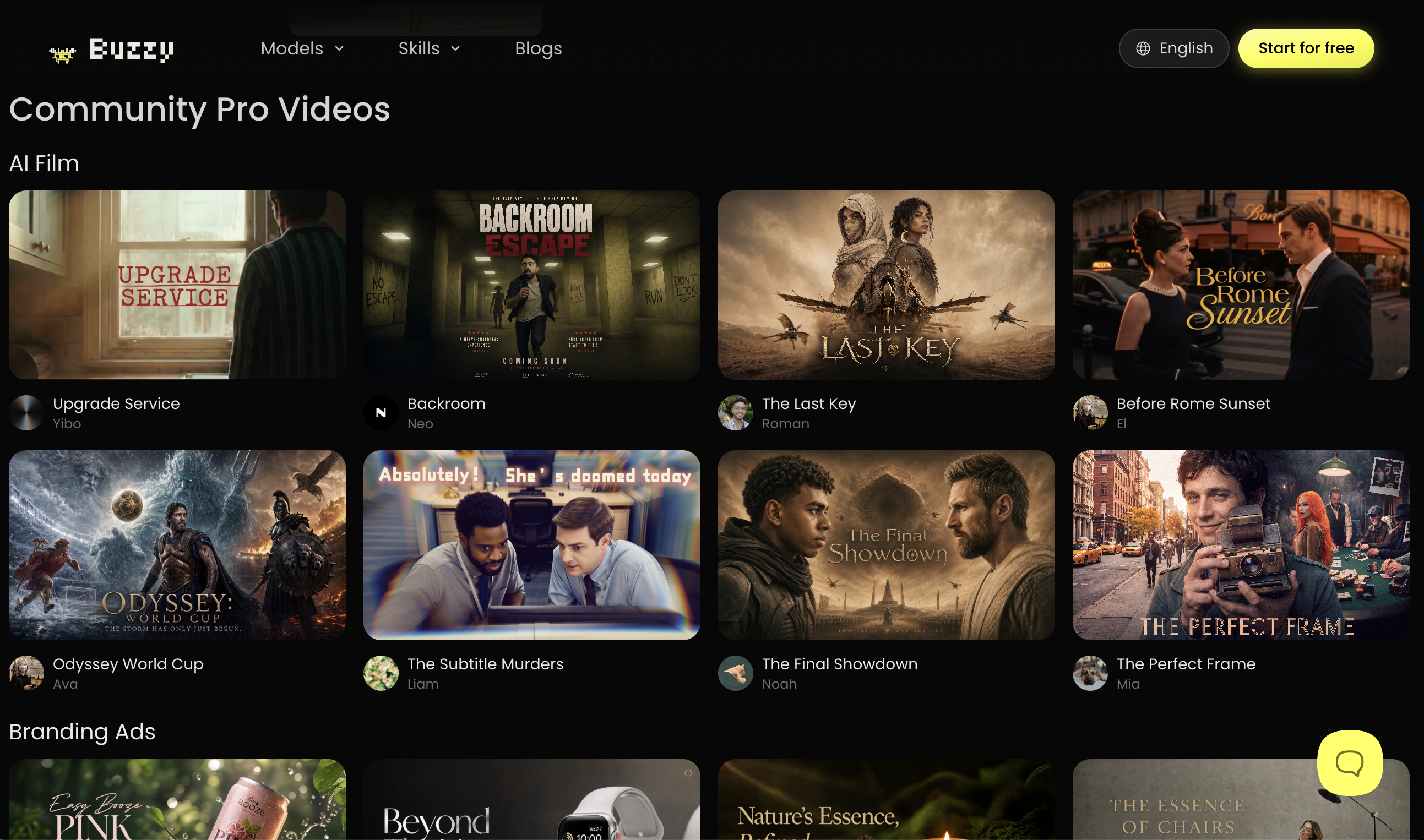
What Is Buzzy?
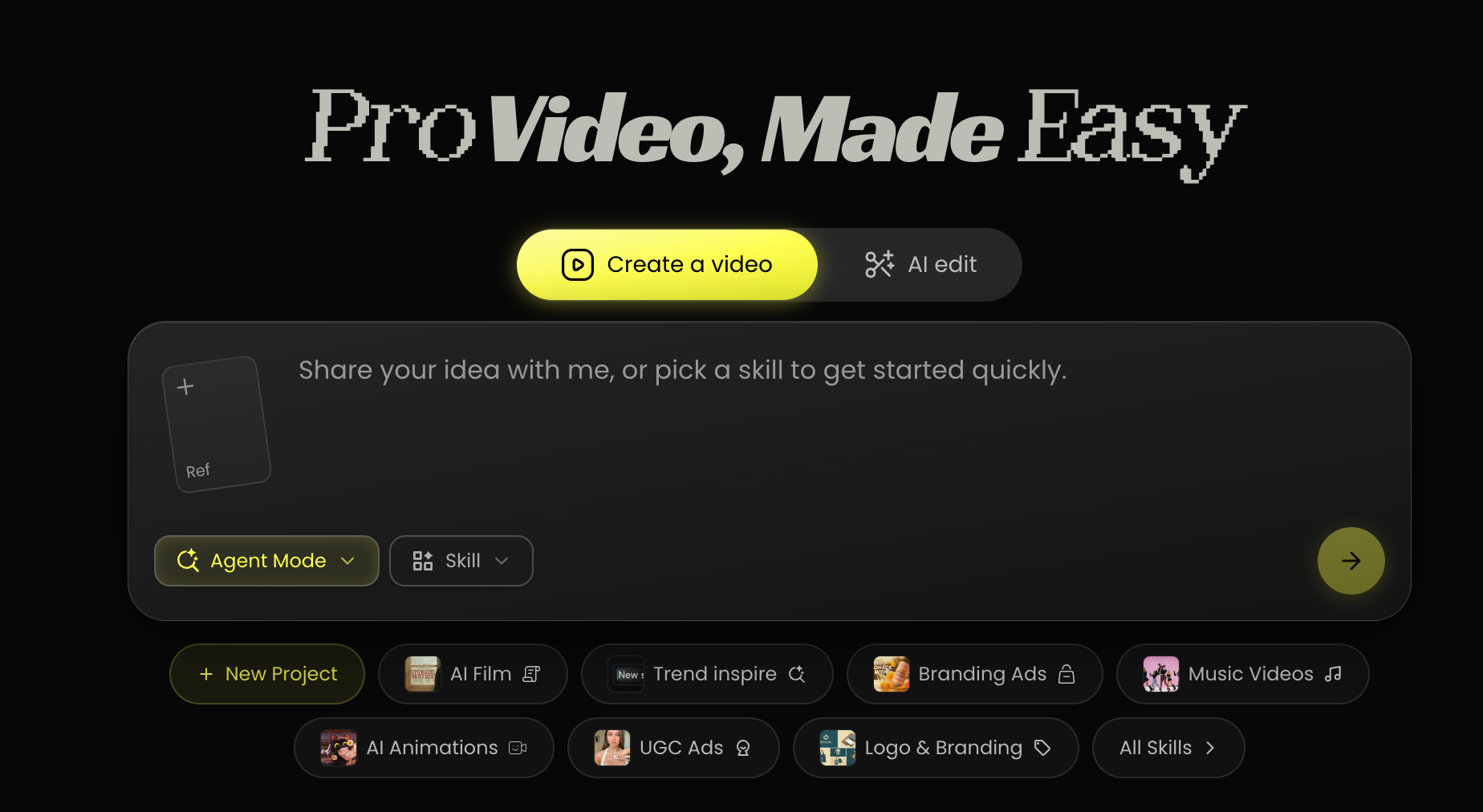
Buzzy is an AI video creation platform designed to make video generation faster and more accessible. Instead of relying on a traditional production workflow — scripting, filming, sourcing footage, editing, adding effects, and exporting — AI video tools like Buzzy aim to compress more of that process into a simpler creation experience.
The basic idea is straightforward: users provide creative input, and AI helps transform that input into video. This makes Buzzy relevant to creators who want to experiment with AI-generated clips without learning professional video editing software first.
The platform sits within a rapidly growing category that includes AI video generators, text-to-video tools, image-to-video platforms, and broader AI creative suites.
For users, the attraction is obvious. Video has traditionally been one of the most expensive and time-consuming forms of content to produce. Generative AI changes that equation by allowing more people to move from an idea to a visual result in minutes rather than hours or days.
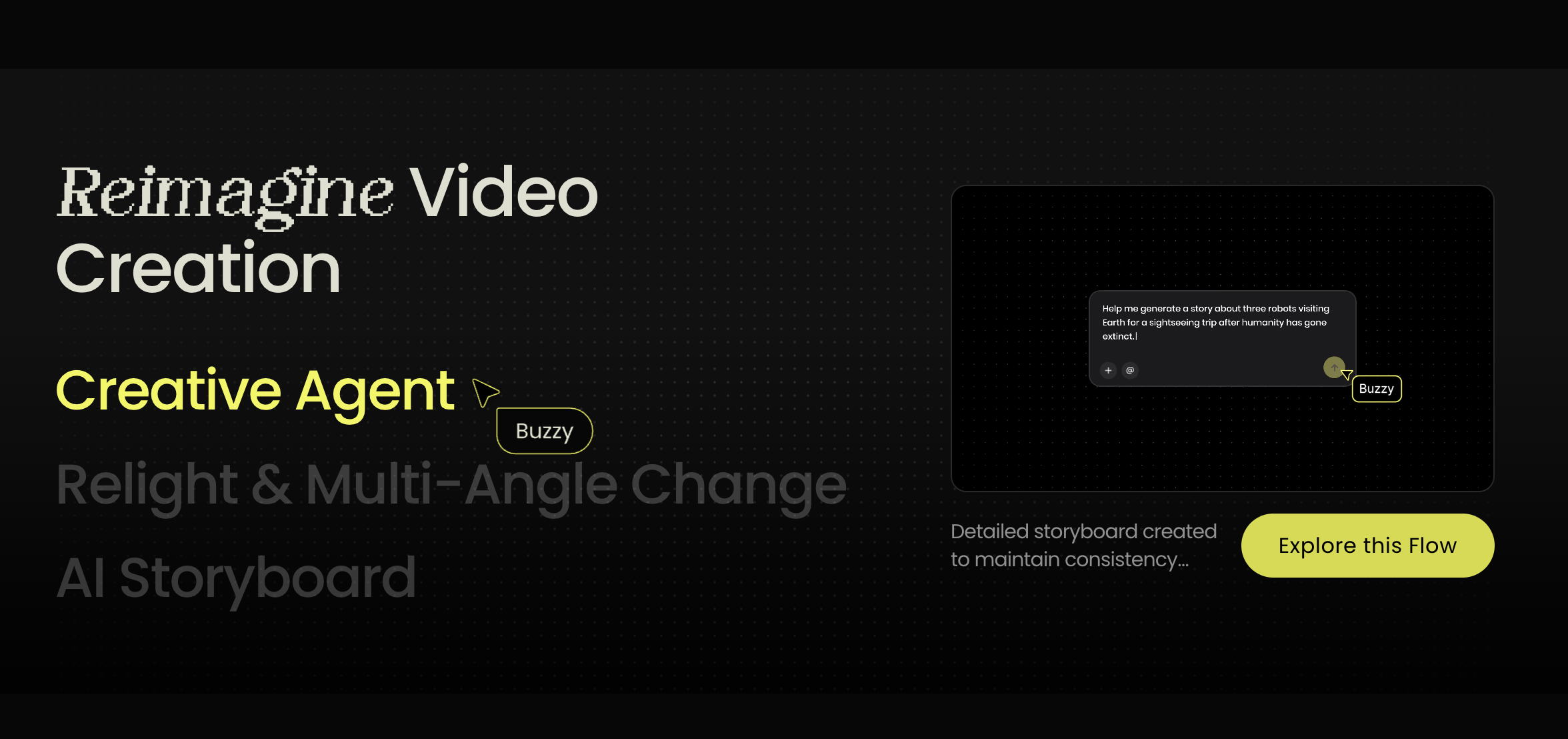
Why Buzzy Is Interesting Right Now
AI video is moving quickly from novelty to everyday creative workflow. Creators now use generative video for social media posts, advertisements, concept videos, product visuals, storytelling experiments, music content, memes, and short-form entertainment. The important shift is not simply that AI can generate video.
It is that video creation is becoming much more iterative.
A creator can try one prompt, review the result, change the concept, generate another version, and continue refining the idea without organizing another shoot or rebuilding an entire editing timeline. That is where platforms like Buzzy become interesting. They lower the barrier between having a visual idea and actually seeing that idea in motion.
For individual creators, that means more room for experimentation. For marketers, it can mean faster campaign testing. For small businesses, it can reduce dependence on expensive production resources. And for social media teams, it creates another way to produce visual content at the speed modern platforms demand.
The Buzzy Workflow: From Idea to Video
The Buzzy workflow follows the increasingly familiar pattern of AI-assisted video creation. Instead of beginning with a blank editing timeline, users begin with an idea or source material and let AI generate much of the visual output. This changes the role of the creator.
Traditional video production asks the user to control individual assets: footage, cuts, transitions, animations, effects, sound, and timing. AI video generation moves more of the work toward creative direction.
The user decides what should happen, what the video should communicate, what style it should have, and what kind of result they want. The AI then helps translate those instructions into moving visuals.
This is particularly useful for users who have strong ideas but limited production experience. You may know exactly what you want a scene to feel like without knowing how to animate it manually. An AI video platform gives you a much shorter path from that concept to something you can actually watch.
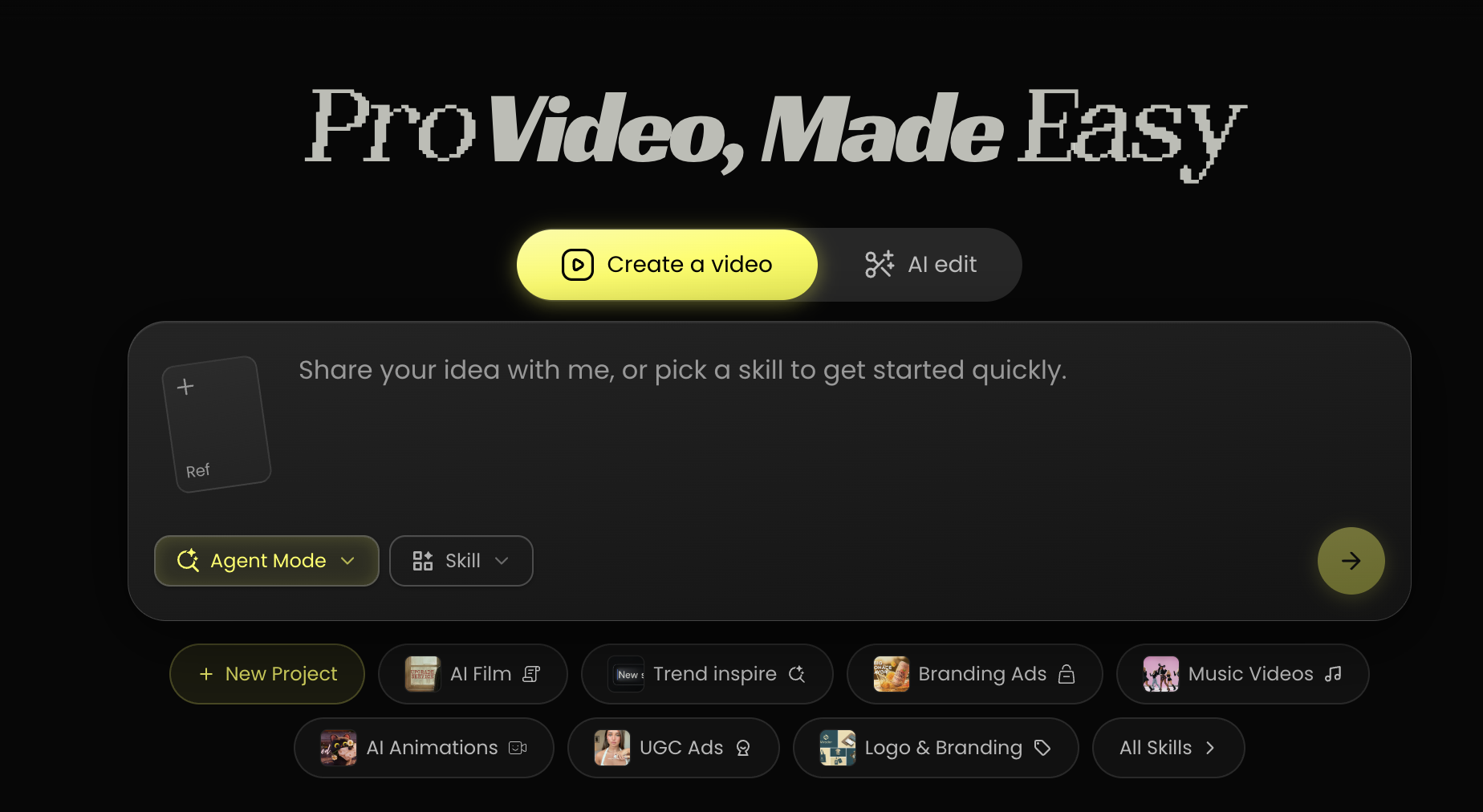
Where Buzzy Feels Strong
One of Buzzy’s biggest advantages is accessibility. AI video generation can become complicated quickly. There are models, prompts, reference images, generation settings, aspect ratios, motion controls, and dozens of other variables that experienced creators may understand but beginners may find overwhelming.
Platforms like Buzzy can make that underlying technology easier to approach by packaging AI video generation into a more accessible workflow. Another advantage is speed.
For many creative projects, the goal is not to produce a Hollywood-level final cut. The goal is to visualize an idea quickly. A marketer might need several concepts for a campaign. A creator might want an unusual visual for TikTok or Instagram. A founder might need something eye-catching for a product announcement. A designer might simply want to see how a still concept looks in motion.
AI video generation is particularly valuable in these situations because experimentation is part of the workflow. Instead of asking, “Can we afford to produce this idea?” creators can increasingly ask, “What happens if we try it?”
That is a meaningful change.
Where Buzzy May Still Feel Limited
Like most AI video platforms, Buzzy should not be treated as a complete replacement for creative direction. AI can generate visuals quickly, but it does not automatically know what makes a good video.
The user still needs to think about the concept, composition, pacing, audience, message, and overall purpose of the content. Generation quality can also vary.
A prompt that sounds clear to a human may produce unexpected motion, inconsistent details, unusual anatomy, unstable objects, or a visual style that does not quite match the original intention. This is a common challenge across generative video tools, not something unique to Buzzy. Users should therefore expect iteration.
The first generation may be useful, but the second or third version may be significantly better after adjusting the prompt or changing the source image. Another consideration is workflow depth.
Some users simply want to generate an interesting AI clip. Others want to move from an idea all the way to a complete video with a script, multiple scenes, narration, music, transitions, and a coherent story. Those are different jobs.
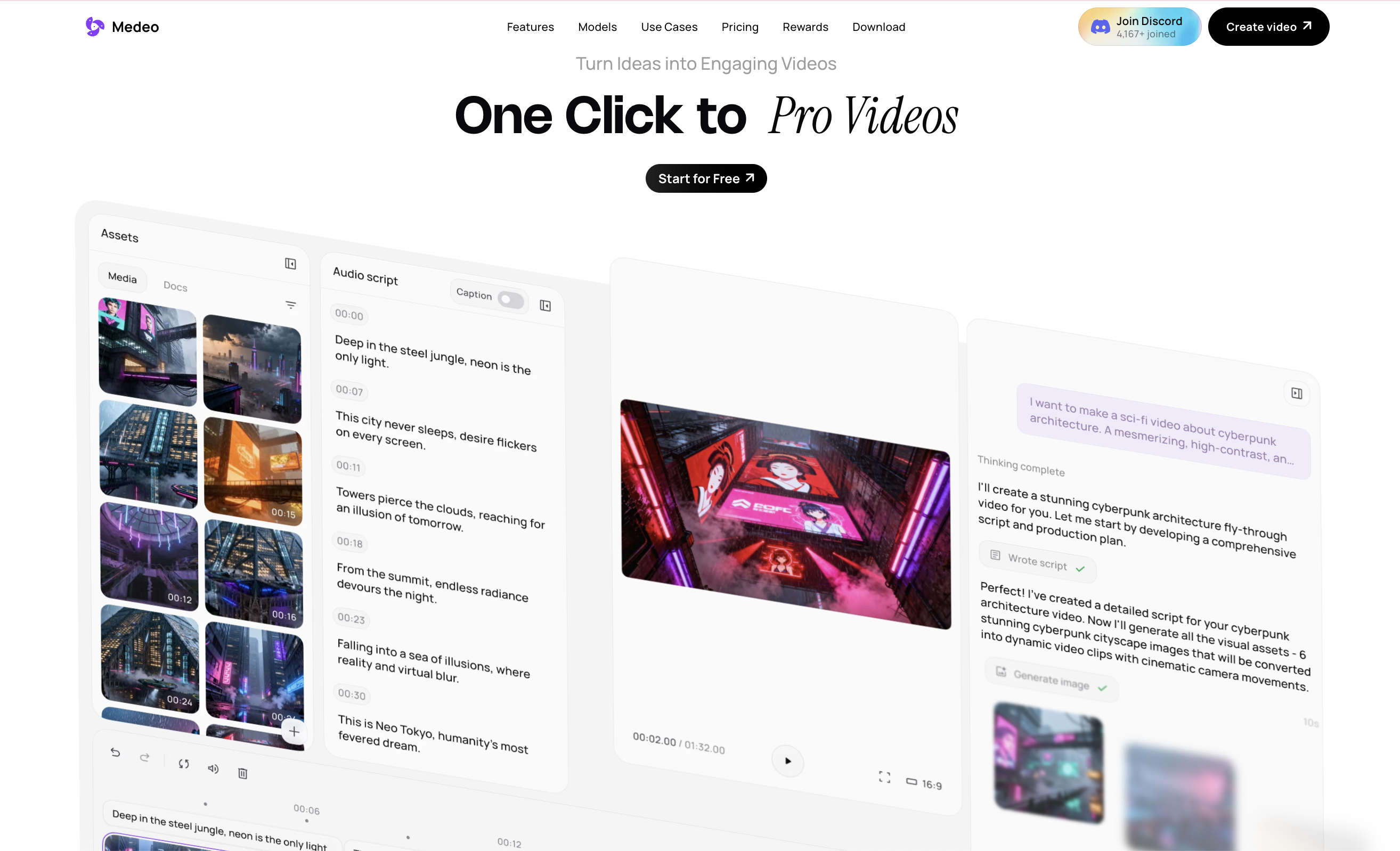
That is not Buzzy’s core job. That is where Medeo can help.
If a founder has only a rough concept and needs to turn it into a visual story, Medeo’s Idea to Video workflow is a natural fit;
If a team has written a product script or feature walkthrough, Medeo’s Script to Video workflow can help turn that explanation into a video;
If the team has launched a webpage or product landing page, Medeo’s URL to Video workflow can turn that page into a video draft.
These links fit Buzzy better than generic AI video links because Buzzy users often need to explain an app, not just make random creative clips.
A Different Way to Think About Buzzy Alternatives
The AI video market is now large enough that there is no single “best” platform for everyone. The right alternative depends on what you are actually trying to create.
Some tools focus heavily on cinematic text-to-video generation. Others specialize in image animation, avatars, advertising, short-form social content, video editing, or complete AI-assisted workflows.
When comparing Buzzy alternatives, consider questions such as:
Do you mainly need text-to-video or image-to-video?
Are you generating individual clips or complete videos?
Do you need consistent characters across scenes?
Do you need voiceovers or talking avatars?
Are you creating entertainment, social media, advertising, or product content?
How much control do you need over motion and visual style?
Do you need to turn existing scripts or webpages into videos?
How much editing do you want to do after generation?
These questions are more useful than simply comparing the number of AI features each platform advertises. A creator making experimental AI visuals may choose differently from a marketing team producing weekly product videos.
Who Should Use Buzzy?
Buzzy is worth exploring if you are interested in generating AI video without building a traditional production workflow from scratch. It can be particularly relevant for:
Social media creators who need more visual content
Marketers experimenting with new campaign ideas
Small businesses producing promotional material
Founders creating visual concepts for new products
Designers exploring motion and visual storytelling
Creators experimenting with generative video
Teams that want to prototype video concepts quickly
The common thread is speed. Buzzy makes the most sense when generating and testing ideas quickly matters more than controlling every frame manually.
Who Might Prefer Medeo?
Medeo may be a better fit when your starting point is not simply a visual prompt. If you already have a script, article, webpage, marketing idea, educational concept, or longer story, you may want a workflow that helps organize that information into a complete video rather than only generating individual visuals.
That is where tools such as Idea to Video, Script to Video, and URL to Video become particularly useful.
For example, a marketer could take an existing landing page and use URL to Video to create a video version of its message. A YouTube creator could start with a finished script and turn it into a structured visual draft. A founder could begin with a rough product concept and use Idea to Video to develop the narrative before generating the final content. In other words, Buzzy can be useful for generating video.
Medeo can be useful for building a broader video workflow around the content you already have.
Is Buzzy Worth It?
Buzzy is worth trying if you want a simple way to explore AI-generated video. Its value comes from reducing the distance between imagination and visual output. Instead of learning complex animation or production techniques, creators can use AI to explore ideas much more quickly. The key is having realistic expectations.
AI video generation is still an iterative process. Not every output will be usable, and more complicated scenes can require multiple attempts. Professional campaigns may still need editing, creative direction, and human review. But that does not reduce the usefulness of the technology. In many cases, speed of experimentation is exactly the point. Buzzy gives creators another way to turn ideas into motion without beginning with cameras, actors, animation software, or a professional editing timeline.
FAQ About Buzzy
What is Buzzy?
Buzzy is an AI video creation platform that helps users generate video content with artificial intelligence. It is designed to make video creation faster and more accessible without requiring a traditional production workflow.
What is Buzzy used for?
Buzzy can be used to create AI-generated video content for social media, creative experiments, marketing concepts, promotional content, storytelling, and other visual projects.
Is Buzzy good for beginners?
Buzzy can be useful for beginners because AI video generation reduces the amount of traditional editing and production knowledge required to create visual content. However, better prompts and clearer creative ideas will generally help users achieve stronger results.
Can I use Buzzy for social media videos?
Yes. Short-form social content is one of the natural use cases for AI-generated video. Creators can use generated visuals as standalone clips or combine them with captions, music, narration, and other content.
What are the best Buzzy alternatives?
If you want to turn ideas, scripts, or webpages into more complete videos, a platform like Medeo may be more relevant because it supports workflows such as Idea to Video, Script to Video, and URL to Video.
Final Verdict
Buzzy.now represents one of the biggest changes happening in creative software: video generation is becoming accessible to people who have ideas but do not necessarily have traditional video production skills. Instead of beginning with cameras, footage, animation software, or a complicated editing timeline, creators can begin with an idea and let AI help turn it into motion. That makes Buzzy particularly interesting for creators, marketers, startups, small businesses, and anyone experimenting with generative video. Its strongest value is speed.
It gives users a faster way to explore visual ideas, create AI-generated content, and experiment with concepts that might otherwise require significantly more production work. At the same time, generating a clip and creating a complete video are not always the same task.
If your goal is broader, turning an idea into a story, a script into a video, or an existing webpage into promotional content — a workflow-oriented platform such as Medeo may be worth considering alongside Buzzy.
Buzzy helps make AI video generation accessible. Medeo helps turn content and ideas into a broader video workflow. The best choice ultimately depends on where your creative process begins — and what you want to publish at the end.