Synthesia is one of the most recognizable names in AI video. If you have ever searched for an AI avatar video generator, AI training video tool, or text-to-video platform for business, Synthesia has probably appeared near the top.
Its appeal is easy to understand. Instead of hiring presenters, booking cameras, recording voiceovers, and editing footage manually, Synthesia lets teams create polished videos with AI avatars and voiceovers. For companies that produce training, onboarding, internal communication, sales enablement, or multilingual content, that is a serious time-saver.
But Synthesia is not the right answer for every video workflow. It is excellent when the video is centered around a presenter. It becomes less flexible when the video needs to be more visual, product-focused, social-first, or experimental.
So the real question is not “Is Synthesia good?” It is. The better question is: is Synthesia the right tool for the kind of videos you need to create?
What Is Synthesia?
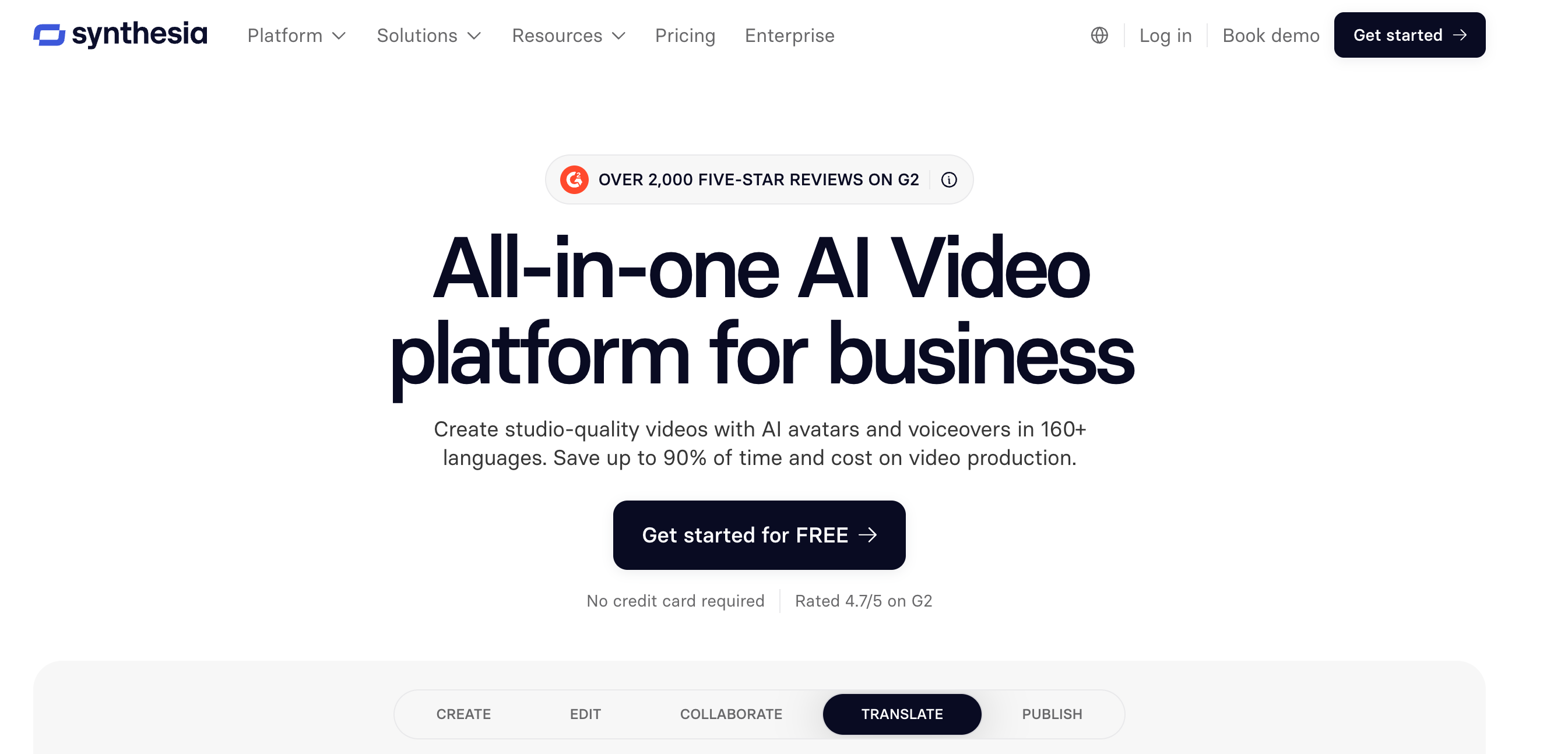
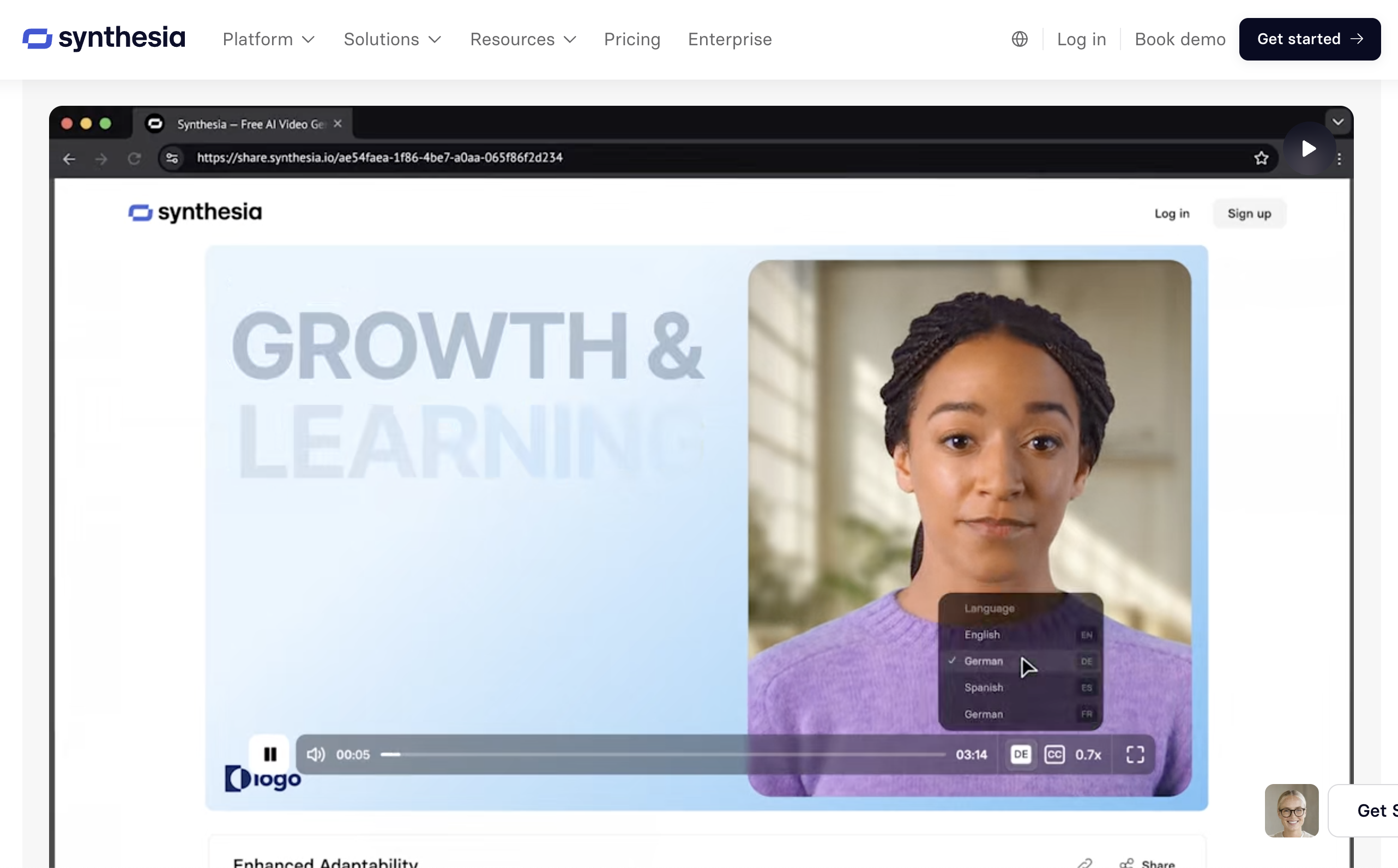
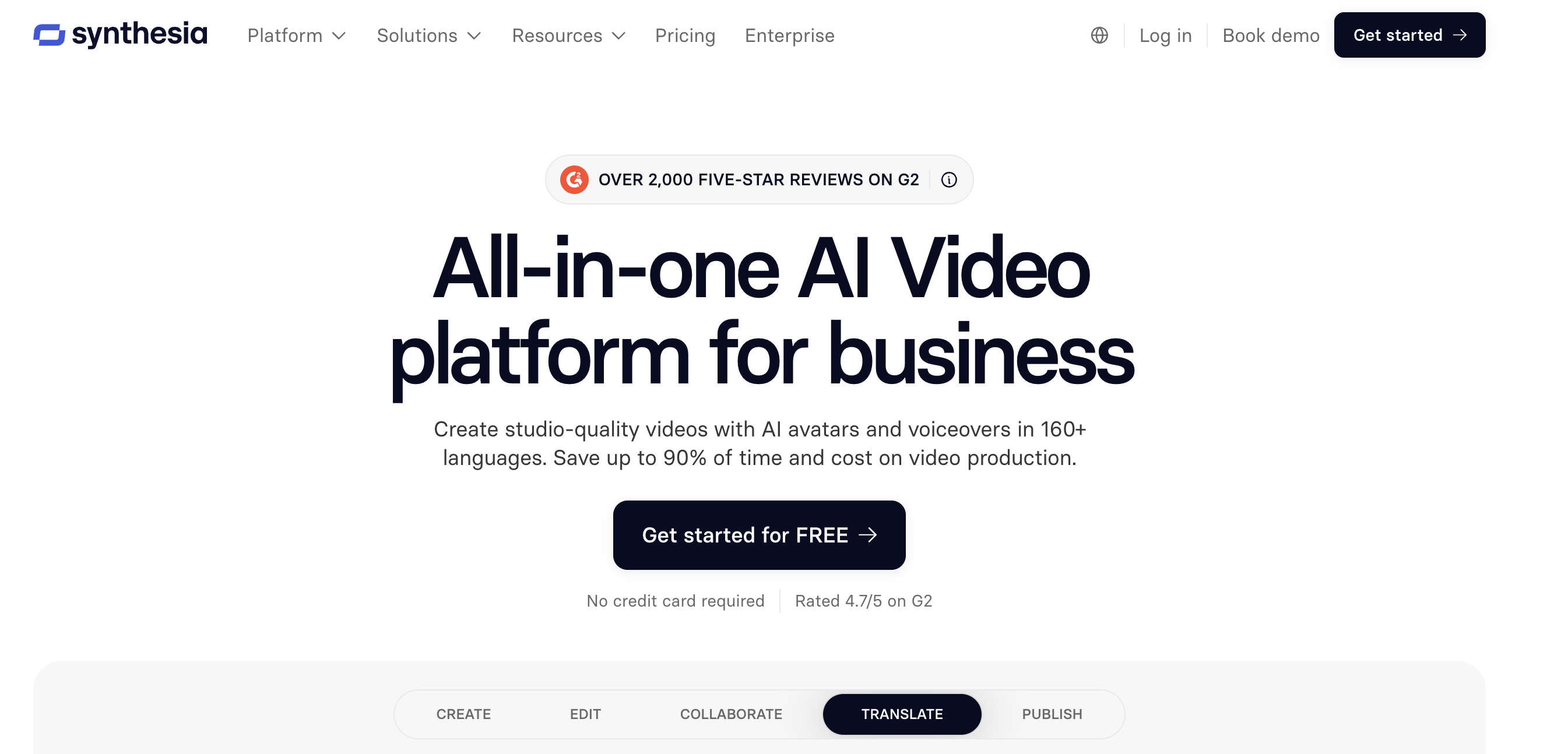
Synthesia is an AI video platform designed to create professional videos with AI avatars, voices, scripts, and localization tools. Its official site positions it as an AI video platform for business, with AI avatars and voiceovers in 160+ languages.
That tells you a lot about the product. Synthesia is not mainly built for random visual experiments or cinematic AI clips. It is built for structured communication.
A typical Synthesia workflow starts with a script. You choose an avatar, select a voice, apply brand settings, generate the video, and then use it for training, onboarding, explainers, sales content, or internal updates.
This makes Synthesia especially useful for companies that need to create many clear videos without filming real people every time.
Where Synthesia Works Best
Synthesia is strongest when the message matters more than the visual spectacle.
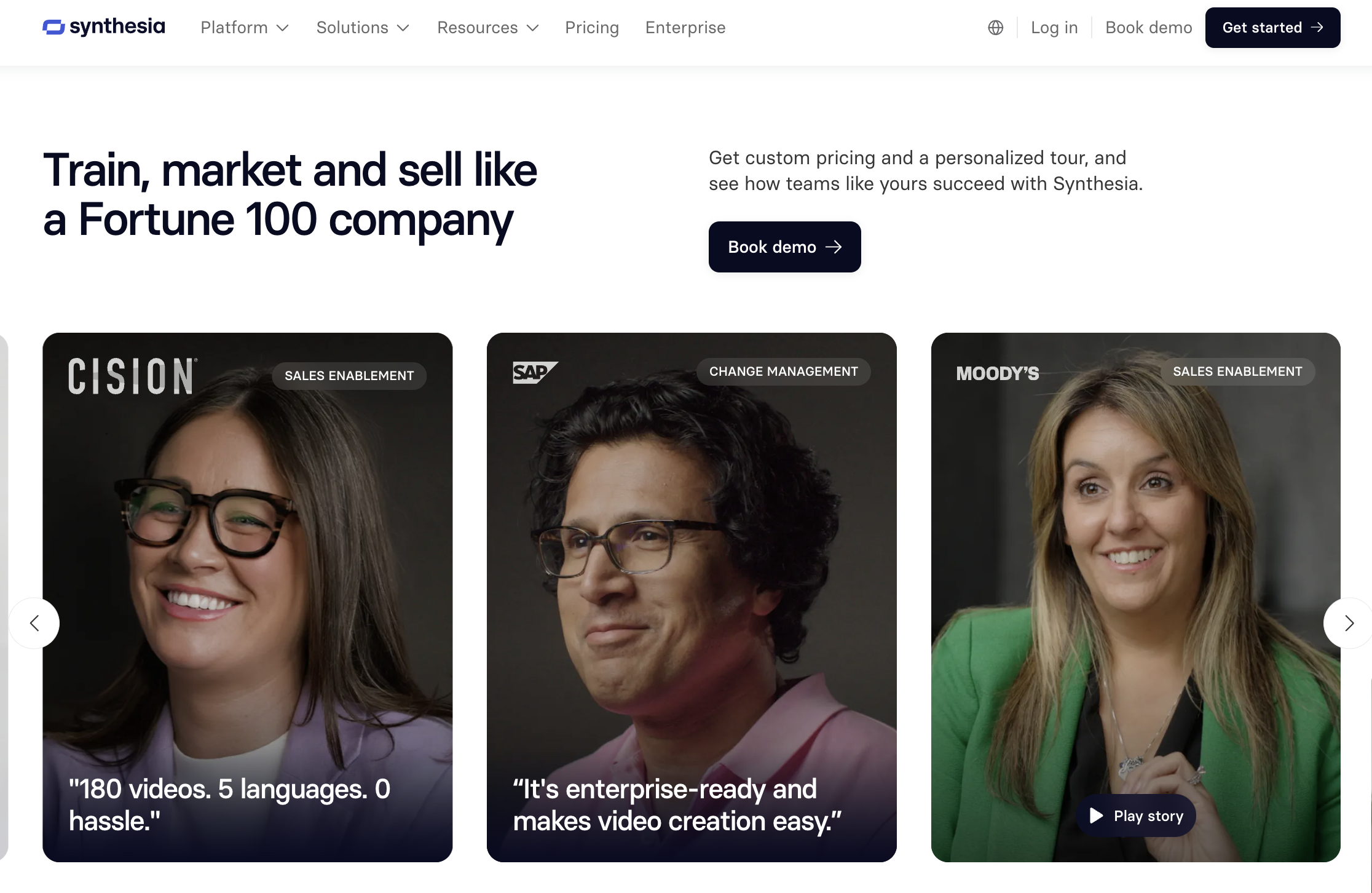
A training team can turn written learning material into video lessons. A sales team can create product explainers or outreach content. An HR team can make onboarding videos for new employees. A global company can localize internal communication across different languages.
These are practical use cases. They do not need dramatic camera movement or highly stylized visuals. They need clarity, consistency, and repeatability.
That is where Synthesia shines. Its avatars look professional, its workflow is predictable, and its business focus makes sense for teams that want video without production complexity.
Another strength is localization. For companies working across regions, being able to create multilingual versions of a video can reduce the time and cost of translation workflows. Instead of reshooting the same presenter video in multiple languages, teams can generate versions from the same core message.
Why People Look for Synthesia Alternatives
Most people looking for a Synthesia alternative are not saying Synthesia is bad. Usually, they are running into a workflow mismatch.
Synthesia is built around avatar-led videos. But many modern video projects are not avatar-led.
A product marketer may need a short product video where the item is the hero. A social creator may want to animate an image into a Reel. An ecommerce team may need several ad variations from product assets. A creator may want lip sync, image-to-video, text-to-video, or model-based visual generation.
In those cases, starting with an AI presenter can feel limiting. The video becomes organized around someone speaking, even when the best format might be a product scene, a visual story, an animated image, or a short social clip.
This is where a broader tool like Medeo can fit naturally.
Where Medeo Fits In
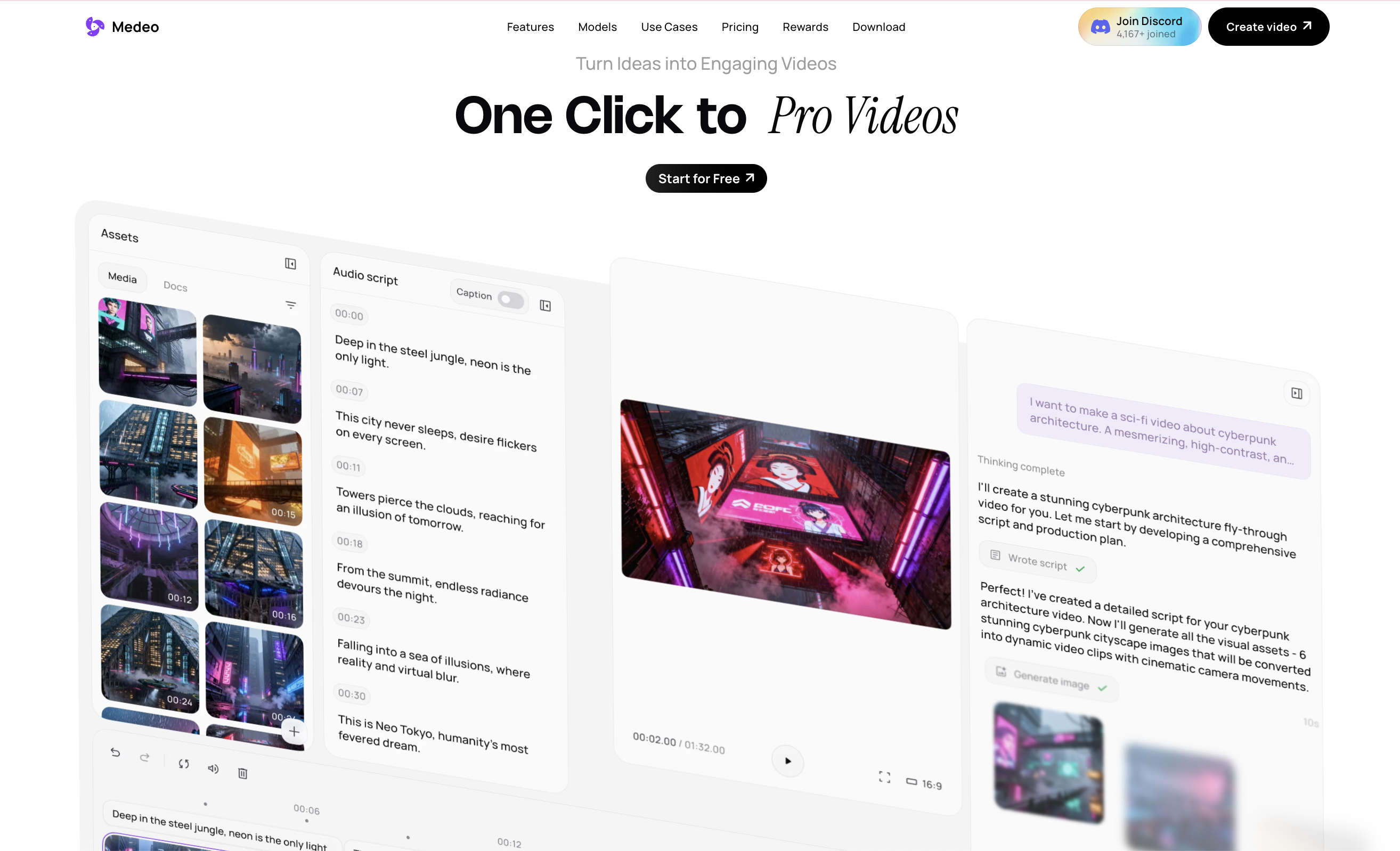
Medeo is useful when you want AI video creation to start from different types of source material, not only from an avatar script.
If the project begins with a written script, Medeo’s script-to-video workflow can help turn that text into a video structure;
If the project needs a presenter, Medeo also supports talking avatar videos for explainers, tutorials, education, and marketing messages;
If the focus is speech and facial movement, Medeo’s lip sync workflow can help create character videos, translated clips, or avatar-style content;
But Medeo is not limited to presenter videos. If the project starts with a product photo, AI image, campaign visual, or portrait, Medeo’s image-to-video workflow can turn that asset into motion.
This is the main difference. Synthesia is a strong choice when the presenter is central. Medeo is more flexible when the video could begin from a script, avatar, product, image, or visual idea.
Synthesia for Business Videos
For business communication, Synthesia remains a strong option. If your team needs training videos, policy explainers, internal updates, onboarding content, or customer education, Synthesia’s structure is helpful.
The platform makes video production feel controlled. The avatar presents the message clearly. The brand style can stay consistent. The same content can be localized. The process can be repeated across teams.
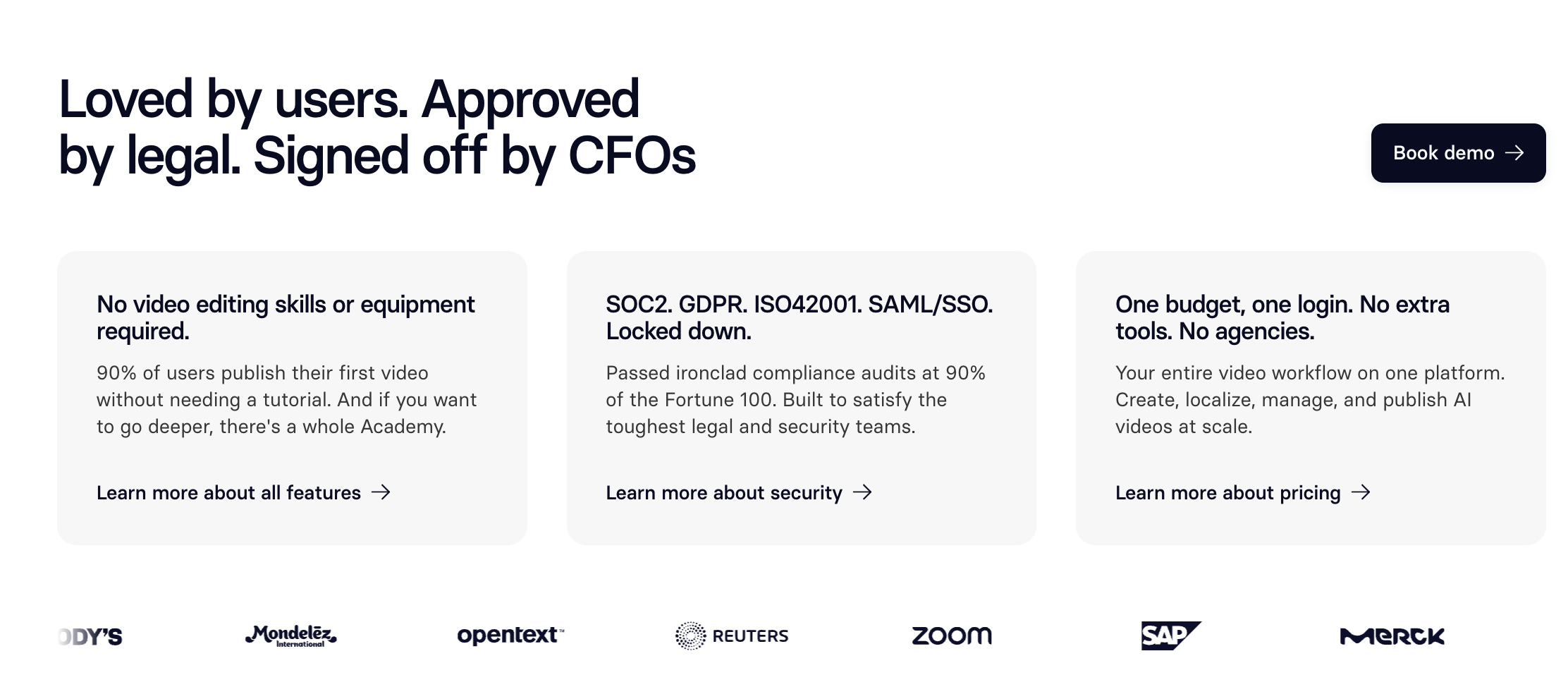
That is exactly what many companies want. In a corporate setting, creative freedom is not always the priority. Reliability is. If your main goal is to create professional presenter-led videos at scale, Synthesia is still one of the top tools to consider.
Medeo for Broader AI Video Workflows
Medeo becomes more useful when the content mix is wider.
A modern marketing team may need a training video one day, a product video the next, a TikTok-style visual clip after that, and an image-to-video ad later in the week. A creator may need an avatar explainer, then a cinematic scene, then a lip sync clip, then a product demo.
Those projects do not all belong in the same avatar-first workflow. Medeo is better suited to that mixed production style. It gives creators more ways to start and more ways to shape the final output. The result is less rigid: the video format can follow the idea, instead of forcing the idea into a presenter format.
Synthesia Pricing: What to Consider
Synthesia’s pricing has changed over time, and plan details may depend on usage, seats, minutes, avatars, translations, and enterprise features. Synthesia’s help center currently describes plan options such as Basic, Starter, Creator, and Enterprise.
For small teams, the important question is whether you will create enough avatar-led videos to justify the subscription. For larger companies, the value may come from consistency, localization, collaboration, and governance.
But if your team also needs image-to-video, product videos, visual AI clips, lip sync content, or social-first generation, you may end up using multiple tools alongside Synthesia. That is where the real cost appears: not just the subscription, but the workflow switching.
Who Should Use Synthesia?
Synthesia is a good fit for companies that need clear, professional, avatar-led videos.
It works especially well for training teams, HR departments, sales enablement teams, customer education teams, and organizations that need multilingual communication.
If your ideal video looks like a presenter explaining a topic clearly, Synthesia is a strong choice.
Who Should Consider Medeo Instead?
Medeo is a better fit when your video needs are broader than avatar presentations.
If you need product videos, image-to-video, script-to-video, lip sync, talking avatars, short social clips, or creative AI video generation from different inputs, Medeo gives you more room to work.
It is especially useful for marketers, ecommerce teams, creators, agencies, and content teams that do not want every video to follow the same presenter-led format.
Final Take
Synthesia is excellent at what it was built for: AI avatar videos for business communication. It is polished, practical, and especially useful for training, onboarding, internal communication, and multilingual content.
But AI video creation is becoming much broader than avatar videos. Creators now need tools that can turn scripts, images, products, characters, and ideas into many different kinds of videos.
That is where Medeo is a strong alternative. It does not replace Synthesia by copying only the avatar workflow. It gives creators a wider space to create.
FAQ
What is Synthesia?
Synthesia is an AI video platform for creating videos with AI avatars, voiceovers, scripts, translation, and business-focused video workflows.
What is Synthesia best for?
Synthesia is best for training videos, onboarding, internal communication, sales enablement, customer education, and multilingual business videos.
Is Synthesia good?
Yes. Synthesia is one of the strongest AI avatar video platforms, especially for professional presenter-led videos. It may feel less flexible if your content needs product visuals, image-to-video, lip sync, or creative AI generation beyond avatars.
What is the best Synthesia alternative?
Medeo is a strong Synthesia alternative if you want a broader AI video workflow that includes script-to-video, talking avatars, lip sync, image-to-video, and product videos.
Is Medeo better than Synthesia?
Medeo is better for flexible AI video creation across multiple formats. Synthesia is better when your main goal is professional avatar-led business video.
Can Medeo create AI avatar videos?
Yes. Medeo supports talking avatar videos for explainers, tutorials, education, marketing, and business communication.
Can Medeo create product videos?
Yes. Medeo’s product video generator is designed for ecommerce, ads, landing pages, social posts, and marketing campaigns.
Why do people look for Synthesia alternatives?
People usually look for Synthesia alternatives when they need more creative flexibility, different pricing, product video workflows, image-to-video creation, lip sync, or non-avatar video formats.
Should I use Synthesia or Medeo?
Use Synthesia if your main need is polished AI avatar videos for business communication. Use Medeo if you need a broader AI video workflow for scripts, products, images, avatars, lip sync, and social content.